Breast Reconstruction with Two-Stage Implants in Surrey, BC

Two-stage implant breast reconstruction is one of the most commonly used techniques for rebuilding the breast after mastectomy. This approach allows surgeons to gradually prepare the chest tissues using a temporary expander before placing the final implant. By expanding the skin slowly over time, the procedure helps create a natural contour while protecting tissue health and improving long-term outcomes.

At The Plastic Surgery Group at City Centre, our board-certified plastic surgeons guide patients through each stage of reconstruction with careful planning and compassionate care. The process typically includes two procedures: tissue expander placement followed by implant reconstruction.

Background media

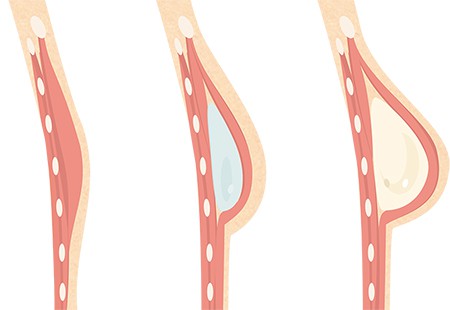
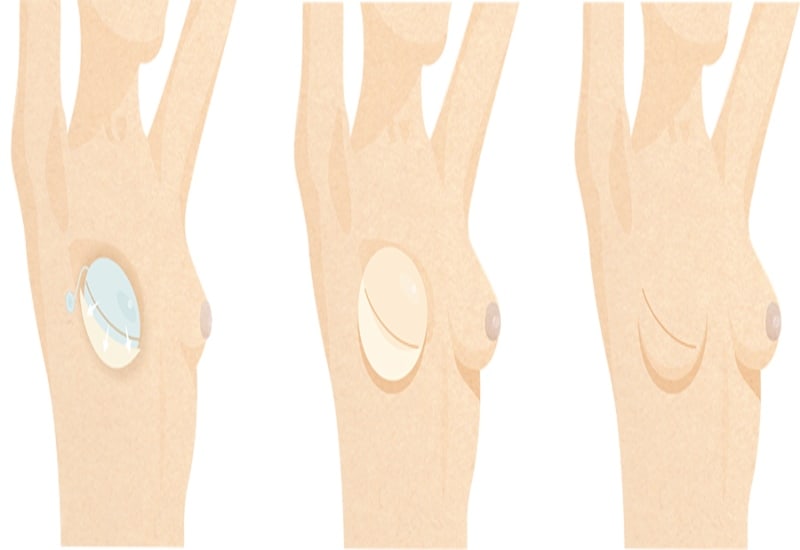
Two-Stage Implant Reconstruction involves two different surgeries:

  1. Tissue Expander Surgery
  2. Implant Reconstruction

Preparing for Two-Stage Implant Reconstruction Surgery

Preparing for reconstruction surgery involves several important steps to reduce risks and support proper healing. Patients who smoke are strongly encouraged to stop prior to surgery, as smoking significantly increases the risk of complications such as infection, poor wound healing, and tissue damage. You will also be asked to discontinue certain medications and supplements two weeks before surgery.

This typically includes blood thinners, anti-inflammatory medications (except Tylenol), and herbal products that may increase bleeding risk. Examples include ginkgo biloba, St. John’s Wort, fish oil, flaxseed oil, and high-dose vitamin E. Your surgeon will review your medical history and provide individualized preoperative instructions to help ensure a safe procedure and smooth recovery.


Banner media

Schedule A Consultation

Contact Us
Contact us media

When is Two-Stage Implant Reconstruction Used?

Two-stage implant reconstruction is commonly recommended for women who wish to restore breast shape using implants but may not have sufficient donor tissue elsewhere on the body for autologous reconstruction.

This technique can be used for the reconstruction of one breast (unilateral) or both breasts (bilateral). It is often appropriate for patients who prefer a shorter surgical procedure than flap-based reconstruction or who have medical conditions that make longer operations less advisable.

Two-stage reconstruction is frequently performed immediately following mastectomy. In some cases, however, the amount of skin remaining after cancer surgery may not be sufficient to safely place a permanent implant. In these situations, a temporary tissue expander is inserted first to gradually stretch the skin and create space for the final implant. This approach may also be used for delayed reconstruction in patients who have already undergone mastectomy and wish to pursue implant reconstruction later. The tissue expander helps prepare the skin and soft tissues before the permanent implant is placed.

Tissue Expander Surgery at a Glance

Surgery

  • 1-2 hours for mastectomy and to place the implant or expander

Hospital Stay

  • Usually 1 night, occasionally can go home on the same day
  • Recovery room 3 hours

Recovery Time

  • 2-3 weeks for initial healing
  • 2-3 months to expand pocket (done every 1-2 weeks)
  • 6-12 months for final results

Two-Stage Implant Breast Reconstruction

Two-Stage Implant Breast Reconstruction

Implant Surgery at a Glance

Surgery

  • About 1 hour to place the implant

Hospital Stay

  • Day surgery - occasionally one night stay

Recovery Time

  • 2-3 weeks to fully heal the incision
Background media

Advantages

  • It’s simple and predictable
  • No donor site morbidity
  • Shorter surgery time vs. autologous (flap) option
  • Shorter recovery vs. autologous
  • It can always be changed to an autologous flap option at a future date if complications arise
  • Implant location does not camouflage any local recurrences of the tumor
  • Larger implants can be used compared to one-stage direct-to-implant reconstruction
  • Sensation of native skin flaps preserved

Disadvantages

  • Requires a minimum of two operations
  • Lengthy process (numerous and frequent visits for expansion)
  • Requires good skin quality
  • Higher rates of complications in patients who have had radiation
  • Increased risk of infection or implant exposure
  • May make skin resistant to expansion
  • Increased potential for capsular contracture (hard scar that forms around the implant because it is foreign)
  • Increased risk for device failure or leakage (very low)
  • Increased risk of need for future operations compared to autologous reconstruction
  • Breast will not develop a natural drop with advancing age compared to a natural breast (this is important for single-sided reconstructions)

Tissue Expander Surgery

Treatment

The first stage of reconstruction involves placing a balloon-like device called a tissue expander beneath the chest muscle and skin. This procedure may be performed immediately following mastectomy or as a delayed reconstruction at a later date.

After placement, the expander is gradually filled with small amounts of saline during regular clinic visits. These expansion appointments typically occur every one to two weeks over the course of several months. The goal is to gently stretch the skin and soft tissue until enough space is created to accommodate the final implant.

Once the expansion process is complete, the tissue is allowed to settle before the second stage of reconstruction is performed.

First-Stage Recovery Process

Following expander placement, most patients stay in the hospital overnight, though some may return home the same day depending on the circumstances of surgery.

Surgical drains are typically placed during the procedure and are usually removed in the office within one to two weeks. Showering is generally delayed until the drains are removed. Patients often keep a light bandage over the incision during the early healing period to protect the area and collect minor drainage. Most sutures are absorbable.

Many patients are able to return to work within a few weeks, although recovery timelines vary depending on the extent of surgery and ongoing cancer treatment.

Background media

Implant Reconstruction Surgery

Treatment

The second stage of reconstruction replaces the tissue expander with a permanent breast implant. This procedure is typically performed three to six months after the initial surgery, once the skin has expanded sufficiently and the tissue has stabilized.

During this stage, the surgeon removes the expander and inserts either a saline or silicone implant beneath the skin and muscle layers of the chest. Implant placement is generally performed as a day surgery with a shorter recovery period compared to the first stage.

Additional refinements, such as nipple reconstruction and areola tattooing, may be performed later under local anesthesia.

Second-Stage Recovery Process

Following implant placement, patients may experience soreness and bruising in the chest for several weeks. Antibiotics and pain medication are typically prescribed to help manage discomfort and reduce infection risk.

Most patients are advised to avoid strenuous activity or heavy lifting for the first few weeks after surgery. While many people resume most daily activities within six weeks, full recovery and final results can take several months as swelling resolves and tissues settle.

As with all breast reconstruction procedures, recovery timelines can vary depending on overall health, cancer treatment, and whether reconstruction was immediate or delayed.

Schedule a Consultation

Schedule a consultation with one of our surgeons and get honest guidance tailored to your aesthetic goals, right here in Surrey.

Contact Us
Contact us media
Background media
Accessibility: If you are vision-impaired or have some other impairment covered by the Americans with Disabilities Act or a similar law, and you wish to discuss potential accommodations related to using this website, please contact our Accessibility Manager at (778) 907-8812.
Contact Us