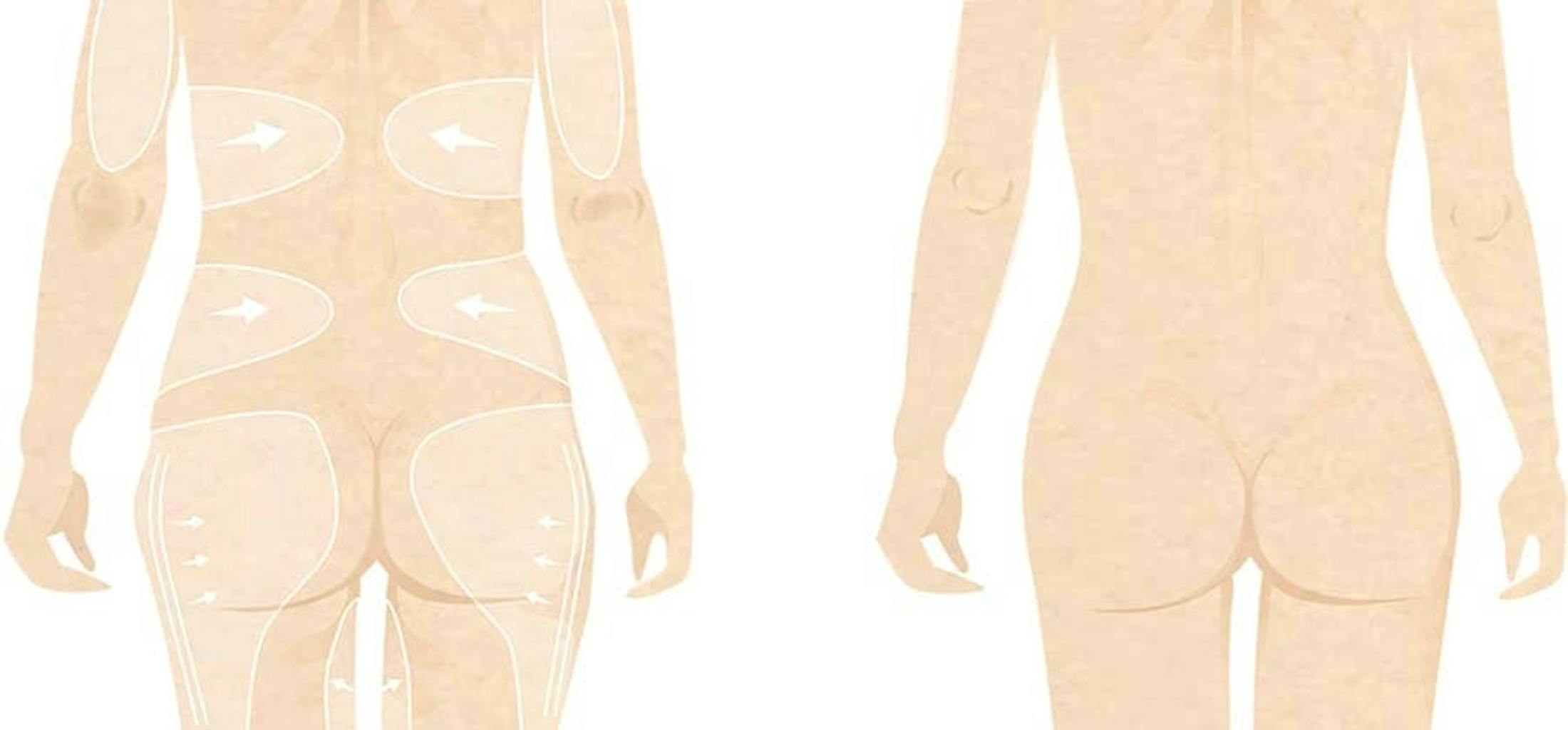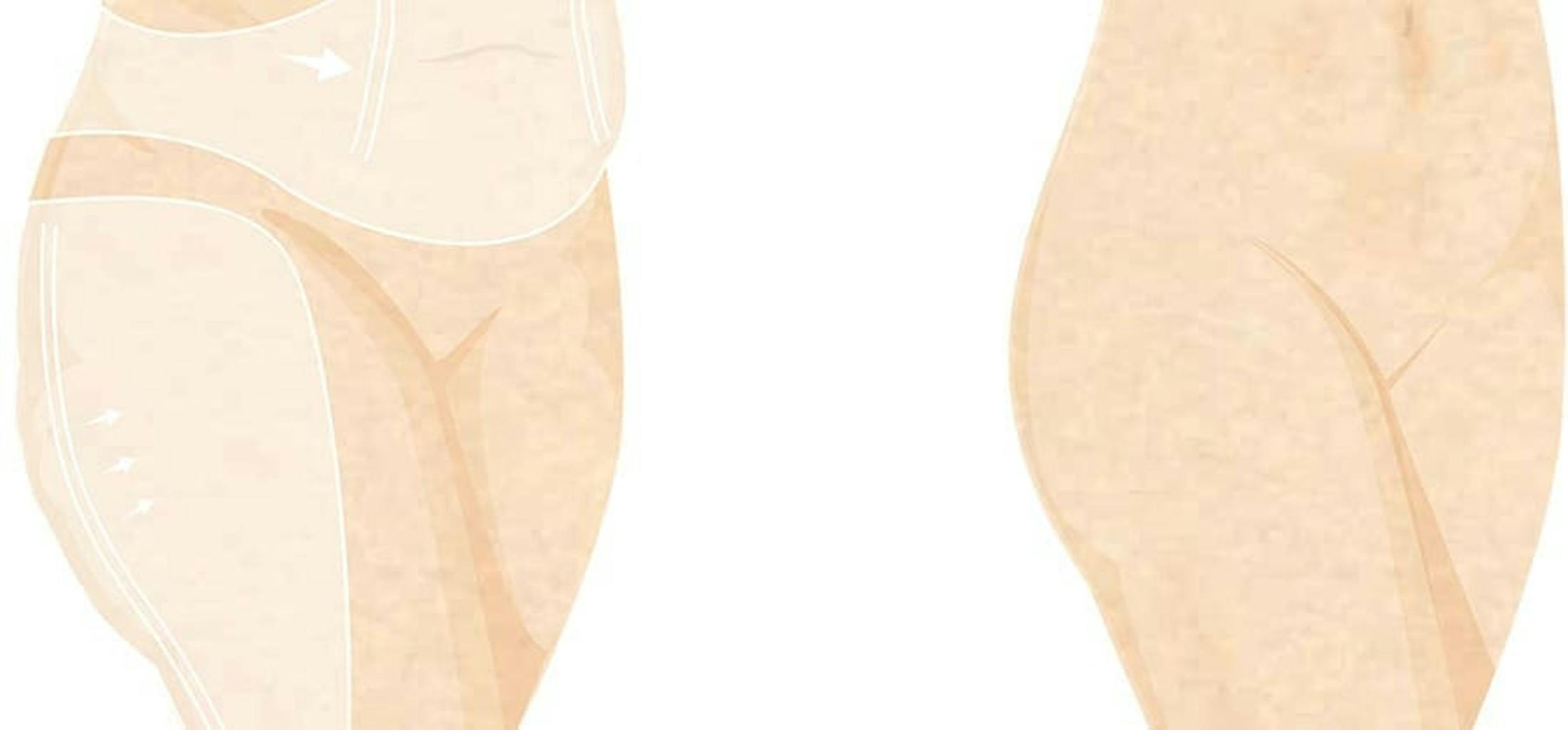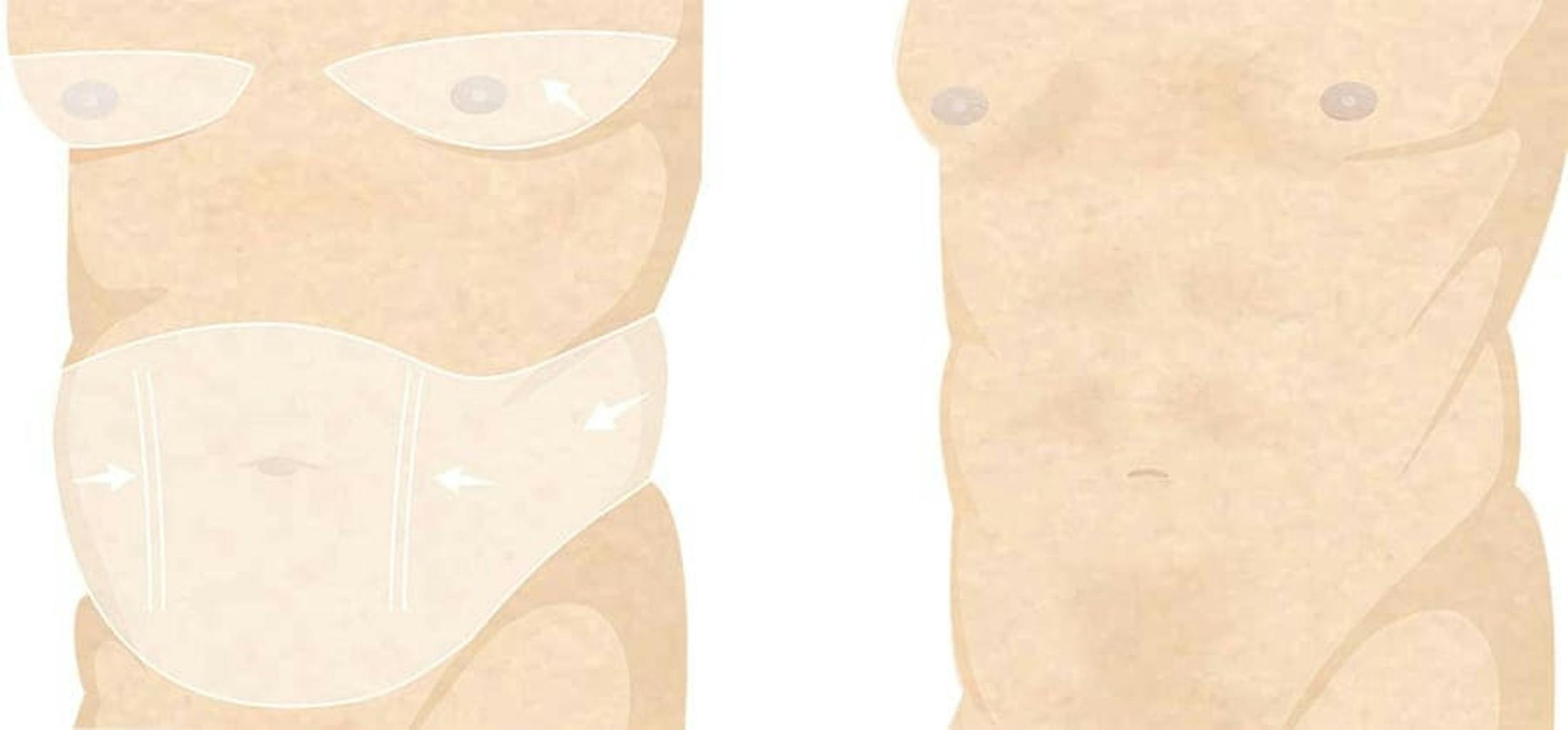
What It Can Do for You

Liposuction generally requires that your skin has some resiliency and can tighten after surgery. In cases where there’s also a lot of loose skin, liposuction may need to be combined with other procedures such as abdominoplasty, breast reduction, gynecomastia correction, or facelift.

Background media
Woman standing against a wall

Benefits of Liposuction

  • Eliminates stubborn fat deposits that resist diet and exercise
  • Improves body shape and contour
  • Removes drooping age-related fat (e.g. neck fat)
  • Improves the fit of clothes
  • Can be combined with other procedures to maximize overall results

Background media

Good Candidates

The best candidates are men or women who have:

  • Are at a healthy, stable body weight
  • Have good skin quality that can tighten up after surgery
  • Have stubborn pockets of fat that are resistant to diet and exercise

Liposuction is not a substitute for proper diet and exercise, and a significant fluctuation in weight after surgery can reduce the benefits of the surgery. If you are planning further weight loss or plan to have children in the near future, it’s best to wait to have liposuction. In cases where there’s also a lot of loose skin, liposuction may need to be combined with other procedures such as abdominoplasty, breast reduction, gynecomastia correction, or facelift. You must also be emotionally mature, understand your motivations for having this procedure, and have realistic expectations about what the surgery can achieve. You should have no major medical problems, and ideally, you should not smoke, as nonsmokers heal faster and have fewer risks of any surgery.

Banner media

What to Expect on Your First Visit

During your initial consultation with PSG, your plastic surgeon will discuss with you your areas of concern and the results you want from liposuction. After a careful examination, your plastic surgeon will advise you on what procedure(s) will lead to results that best fit your expectations. If you have a lot of hanging or loose skin, this may include other procedures in addition to liposuction.

dark brown filter on white flower petal

Liposuction at a Glance

Procedure (point form)

General anesthetic for large areas or local anesthetic for a small area (e.g. neck)

Hospital Stay

Day surgery time 30 min - 4 hours
Recovery room up to 2 hours

Recovery (point form)

May resume simple activities within a couple of days
Return to work 1 week - 1 month

Background media

Procedure

The surgery is done under general anesthesia and is performed as a day-care surgery, which means you can go home the same day. The length of surgery depends on the extent of liposuction to be performed. The procedure is done through incisions less than a centimeter in length, and scars are often hidden in natural skin creases (e.g. groin). The two most common techniques are suction-assisted liposuction and ultrasound-assisted liposuction. The decision of which is done often depends on surgeon preference and the extent of the liposuction.

Testimonials Words From Our Patients

N.G.

Had a breast reduction done by Dr Adrian Lee. Amazing surgeon - very kind, explains things well and paid close attention to detail. The staff in the office are very kind too. I am ...

R.M.

I have had two surgeries at the Plastic Surgery Group at City Centre. I have only had interaction with Laurie in reception and Dr. Prince. Dr. Prince is second to none. She takes t...

S.W.

Dr. Oxley has done two procedures removing cancer for me. The first visit I had with him was in the surgery suite. He was professional, punctual and had just the right amount of hu...

K.G.

Dr. Imran Ratanshi performed my breast reduction surgery a month ago and I feel amazing. The recovery time was unbelievable and his staff has continually checked up on me to make s...

R.M.

My highest recommendation for an outstanding doctor and person: Dr. Rizwan Mian. Dr. Mian has surgically removed cancer from my skin a number of times in recent years - all basal-c...

J.H.

Can’t recommend Dr Genoway enough! I was looking for a reconstructive surgeon for 5 years, had several consultations with other doctors. As soon as I met Dr Genoway, I knew I...

M.Y.

I had my breast surgery in Plastic Surgery Group. Well organized safe and the best care during my surgery. Thank you guys and wish you all the best. 

G.M.

I was a novice to surgery and the staff here were amazing - very friendly and helpful. Dr. Lee was very calm and knowledgeable and answered my questions. Breast reduction surgery w...

T.W.

Highly recommend Dr. Prince. Had a breast reduction Oct.20....best decision Ive ever made. Dr. Prince was so professional and helpful. Great bedside manner. If you're on the fence ...

J.P.

Dr.Oxley has been patient and very kind throughout my procedure making my experience less stressful and much more manageable. Also his office staff are a pleasure to work with. Alw...

J.H.

I am a breast cancer survivor. After my reconstruction surgery failed I was referred to Dr Imran Ratanshi. His kind demeanor and great sense of humor put me at ease immediately. I ...

J.C.

Absolutely amazing Suman is amazing at her job a big thank you. Dr R Mian so professional and made me feel so comfortable. A true artist in his field. I had a breast reduction Best...

C.A.

I had an exceptional experience with Dr. Genoway and their team. From the initial consultation to the surgery day, I felt an unwavering sense of compassion and support. The effort ...

Reviews media

Types of Liposuction

Suction-Assisted Liposuction

In suction-assisted liposuction, a special fluid solution (tumescent fluid) is first injected or infiltrated into the fat. This fluid helps to liquefy the fat cells so they can be more easily suctioned out with a small cannula (tube). The fluid also helps to decrease bruising after surgery and has a local anesthetic in it to minimize discomfort. Following the tumescent fluid injection, the liquefied fat is suctioned out with a small tube (similar to a straw) attached to a vacuum.

Ultrasound-Assisted Liposuction

In ultrasound-assisted liposuction, a specialized cannula or tube is inserted that emits ultrasonic vibrations, which break up the fat cells. These are then suctioned out. There are many new techniques and technologies claiming to have similar results to standard liposuction with less downtime. While some of these may offer some benefits, most do not have as noticeable an effect as traditional liposuction and will not be appropriate for every patient. It is important to choose procedures that are FDA-approved, are well recognized by professional societies, and have been clinically proven to be effective and safe. In addition, in order to minimize potential serious complications, you should ensure that the health provider performing the procedure is a Board Certified Surgeon who is licensed in that area.

Preparing for Surgery

You will have a preoperative visit with a nurse to review the details of what to expect during your surgery and recovery. You may need to get some baseline blood tests and may need to meet with an anesthesiologist prior to surgery. You will be asked to stop taking all over-the-counter pain or fever medicines (except Tylenol) and blood thinners for two weeks prior to your procedure. Many herbal medicines can also cause bleeding and so need to be stopped before surgery, including ginkgo biloba, St. John’s Wort, and high doses of fish oil, flaxseed oil, or vitamin E.

Banner media

Possible Complications

As in any surgery, risks include infection, scarring, delayed wound healing, bruising, or bleeding. Issues specific to this surgery are asymmetry, numb skin, and contour irregularities. 

Rare complications are fat emboli and injury to the overlying skin. Complications are very rare if liposuction is done by a board-certified plastic surgeon in conjunction with a board-certified anesthesiologist.

Recovery

After surgery, you will notice a difference in your body shape. However, the final result for most patients is evident after about 1-6 months. The results are permanent with a sensible diet and exercise. Simple activities are possible within a few days, but heavy lifting should be avoided for a few weeks, so parents of young children may want extra help during this time. Returning to work should be discussed with your surgeon before your surgery. Depending on your work and the extent of liposuction done, you may need to take from a few days to a few weeks off work after the surgery. It can take several months to a year for all of the swelling to subside and for the scars to fade.

Background media

Contact Us

To learn more about how you may benefit from liposuction or to schedule a consultation with one of our board-certified plastic surgeons, please contact our Surrey office today.

Frequently Asked Questions Liposuction

Can anyone benefit from liposuction?

Not everyone is an ideal candidate. If you are significantly overweight, have serious underlying medical conditions, or have unrealistic expectations, liposuction may not be appropriate. Patients with loose or sagging skin may require a combination of liposuction and surgical skin tightening to achieve optimal results.

Can liposuction remove cellulite?

No. Liposuction is not considered an effective treatment for cellulite. Cellulite occurs when fat pushes through connective tissue bands beneath the skin, creating dimpling. Removing fat alone typically does not improve this appearance and may sometimes make it more noticeable.

Is liposuction painful?

Liposuction is performed with anesthesia, so you will not feel or remember the procedure. Techniques such as suction-assisted liposuction with tumescent fluid are designed to reduce discomfort and minimize bruising, swelling, and blood loss. Any mild soreness afterward can usually be managed with over-the-counter or prescribed medication.

How does the plastic surgeon know how much fat to remove during liposuction?

Experienced surgeons rely on their training and clinical judgment to determine the appropriate amount of fat removal for balanced, natural-looking contours. The goal is not maximum fat removal but proportionate, aesthetically pleasing results.

Can multiple areas be treated during the same procedure?

Yes. In many cases, two or more areas can be treated during the same session. The number and size of treatment areas will influence your surgeon’s recommendations and overall surgical plan.

How much bruising and swelling will I have after liposuction?

Mild to moderate bruising and swelling are common immediately after surgery and may peak within the first couple of days before gradually improving. Wearing compression garments and using cold compresses can help minimize these effects.

What happens if I gain weight after liposuction?

If significant weight gain occurs after surgery, remaining fat cells in the treated areas can enlarge and affect your results. Maintaining a stable weight through healthy lifestyle habits helps preserve your new contours.

Will I have scarring from liposuction?

Liposuction requires small openings in the skin for the surgical instruments. These incisions are very small and typically placed in natural skin folds or transitions, making any resulting scars minimal and difficult to notice once healed.

What is the difference between liposuction and a tummy tuck?

Liposuction removes excess fat to improve body contours through small incisions. A tummy tuck removes excess fat and skin and tightens abdominal muscles, requiring a longer incision along the lower abdomen to reshape the area.

Schedule a Consultation

Schedule a consultation with one of our surgeons and get honest guidance tailored to your aesthetic goals, right here in Surrey.

Contact Us
Contact us media
Background media
Accessibility: If you are vision-impaired or have some other impairment covered by the Americans with Disabilities Act or a similar law, and you wish to discuss potential accommodations related to using this website, please contact our Accessibility Manager at (778) 907-8812.
Contact Us