Comprehensive Skin Cancer Care in Surrey

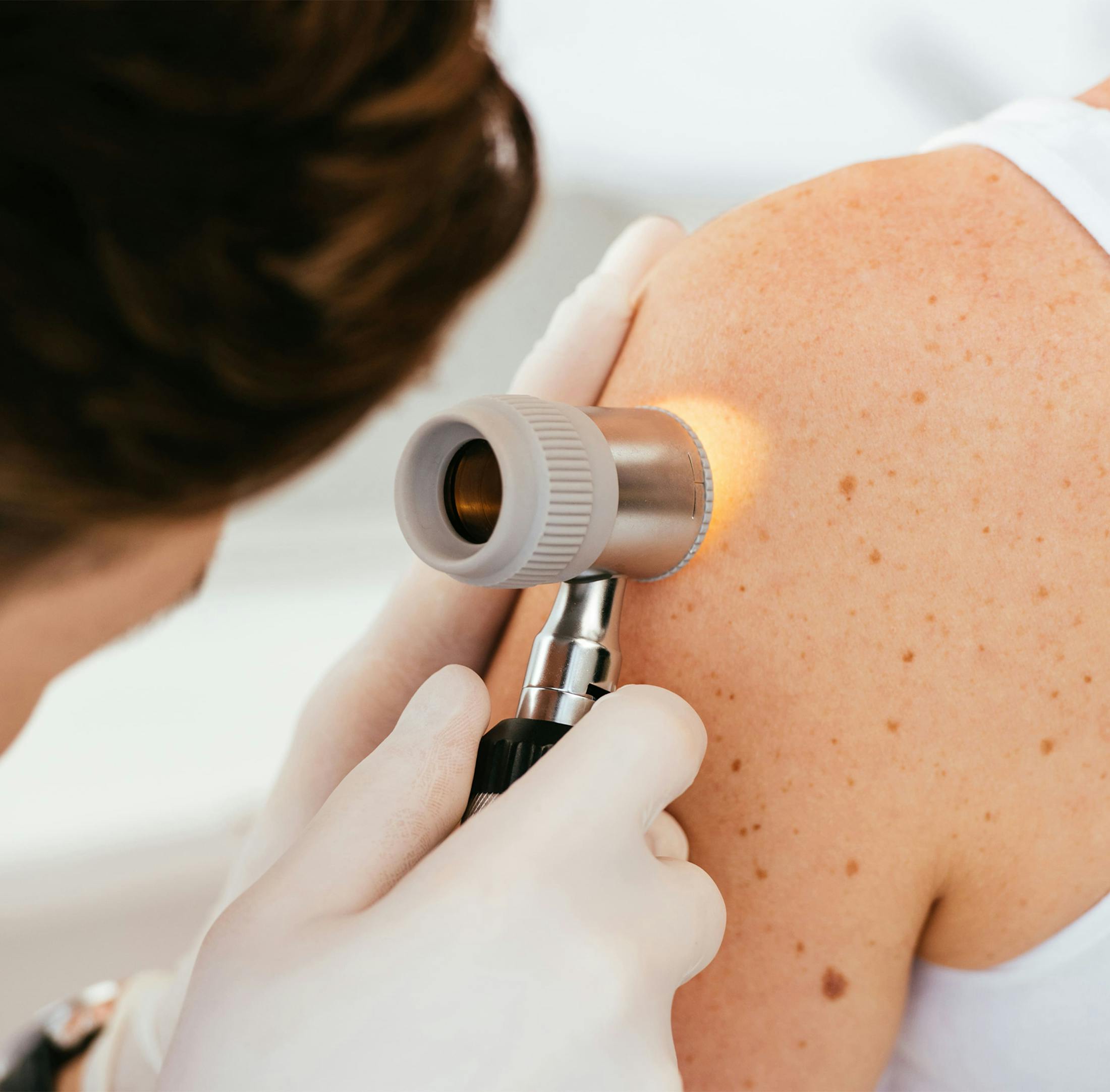
Skin cancer occurs when skin cells grow abnormally and multiply in an uncontrolled way. Over time, these abnormal cells can invade surrounding tissue and, in some cases, spread to other areas of the body if left untreated.

At PSG, skin cancer treatment focuses on completely removing the cancer while preserving function and minimizing cosmetic impact whenever possible. Our surgeons use careful surgical techniques to remove suspicious lesions and reconstruct the treated area in a way that maintains natural appearance and movement. Early evaluation is critical. If you notice changes in a mole or skin lesion, it is important to seek medical assessment promptly.

Background media

Our Fraser Valley service areas include

Surrey, Langley, Abbotsford, Chilliwack, Coquitlam, Port Moody, Port Coquitlam, Pitt Meadows, and Mission, BC.

ABC’s of Skin Cancer

One of the most common ways to evaluate a changing mole or lesion is the ABCDE rule, which highlights warning signs of possible skin cancer:

  • Asymmetry: One half of the lesion looks different from the other
  • Borders: The edges become irregular, uneven, or poorly defined
  • Color: The lesion contains multiple colors or uneven pigmentation
  • Diameter: The lesion is larger than 6 mm (about the size of a pencil eraser)
  • Evolution: The mole or lesion changes in size, shape, color, or texture over time

If a lesion demonstrates these characteristics, it should be examined by your family doctor or a dermatologist.


Banner media

Testimonials Words From Our Patients

N.G.

Had a breast reduction done by Dr Adrian Lee. Amazing surgeon - very kind, explains things well and paid close attention to detail. The staff in the office are very kind too. I am ...

R.M.

I have had two surgeries at the Plastic Surgery Group at City Centre. I have only had interaction with Laurie in reception and Dr. Prince. Dr. Prince is second to none. She takes t...

S.W.

Dr. Oxley has done two procedures removing cancer for me. The first visit I had with him was in the surgery suite. He was professional, punctual and had just the right amount of hu...

K.G.

Dr. Imran Ratanshi performed my breast reduction surgery a month ago and I feel amazing. The recovery time was unbelievable and his staff has continually checked up on me to make s...

R.M.

My highest recommendation for an outstanding doctor and person: Dr. Rizwan Mian. Dr. Mian has surgically removed cancer from my skin a number of times in recent years - all basal-c...

J.H.

Can’t recommend Dr Genoway enough! I was looking for a reconstructive surgeon for 5 years, had several consultations with other doctors. As soon as I met Dr Genoway, I knew I...

M.Y.

I had my breast surgery in Plastic Surgery Group. Well organized safe and the best care during my surgery. Thank you guys and wish you all the best. 

G.M.

I was a novice to surgery and the staff here were amazing - very friendly and helpful. Dr. Lee was very calm and knowledgeable and answered my questions. Breast reduction surgery w...

T.W.

Highly recommend Dr. Prince. Had a breast reduction Oct.20....best decision Ive ever made. Dr. Prince was so professional and helpful. Great bedside manner. If you're on the fence ...

J.P.

Dr.Oxley has been patient and very kind throughout my procedure making my experience less stressful and much more manageable. Also his office staff are a pleasure to work with. Alw...

J.H.

I am a breast cancer survivor. After my reconstruction surgery failed I was referred to Dr Imran Ratanshi. His kind demeanor and great sense of humor put me at ease immediately. I ...

J.C.

Absolutely amazing Suman is amazing at her job a big thank you. Dr R Mian so professional and made me feel so comfortable. A true artist in his field. I had a breast reduction Best...

C.A.

I had an exceptional experience with Dr. Genoway and their team. From the initial consultation to the surgery day, I felt an unwavering sense of compassion and support. The effort ...

Reviews media

Skin Cancer Treatment

Treatment depends on the type, size, and depth of the skin cancer. Very superficial lesions may sometimes be treated with topical medications or minor procedures performed by a dermatologist. When cancers are deeper or more advanced, surgical removal is usually the most effective treatment.

At PSG, surgery focuses on removing the cancer while preserving the surrounding tissue whenever possible. After the cancer is removed, the area may be reconstructed using:

  • Local tissue flaps, where nearby skin is repositioned to cover the surgical site
  • Skin grafts, where healthy skin from another area of the body is used to repair the defect

These reconstructive techniques help restore both function and appearance following cancer removal.

The PSG logo

Causes of Skin Cancer

Most common skin cancers are strongly linked to ultraviolet (UV) exposure from the sun or tanning beds. Repeated sun exposure over time damages the DNA of skin cells, increasing the risk of cancer development. Skin cancer is more likely to develop in areas that receive the most sun exposure, including:

  • The face and neck
  • Arms and shoulders
  • The torso in men
  • The legs in women

Individuals with weakened immune systems, such as transplant recipients or patients taking certain medications, may also have a higher risk of developing skin cancer.

Background media

Schedule A Consultation

Contact Us
Contact us media

Types of Skin Cancer

The most common skin cancers are Basal Cell Carcinomas, Squamous Cell Carcinomas, and Melanomas.

Background media

Basal Cell Carcinomas (BCC)

Basal cell carcinoma is the most common type of skin cancer. It typically grows slowly and rarely spreads to other areas of the body. However, untreated lesions can gradually enlarge and damage surrounding tissue.

Treatment

In most cases, BCC can be removed surgically with a small margin of surrounding tissue. The area is then repaired using nearby skin or, in larger cases, a skin graft.

Recovery

If a flap repair is performed, sutures may be removed within 7–10 days. If a graft is required, the dressing is usually left in place until the first follow-up appointment, typically about one week later.

Possible Complications

Potential complications include infection, wound healing problems, or incomplete removal of the cancer, which may require additional surgery.

Squamous Cell Carcinoma (SCC)

Squamous cell carcinoma is the second most common skin cancer and is generally more aggressive than basal cell carcinoma. If untreated, it may spread to nearby lymph nodes or other parts of the body.

Treatment

SCC is usually treated with surgical removal and a wider margin of surrounding tissue to ensure the cancer is fully removed. In some cases, nearby lymph nodes may also be evaluated.

Recovery

Because larger margins may be required, reconstruction may involve either local tissue flaps or skin grafts. Sutures are typically removed within 7–10 days.

Possible Complications

Complications may include infection, wound healing issues, incomplete removal of the cancer, or the need for additional treatment if the margins are not clear.

Background media

Melanoma

Melanoma is a cancer that develops from pigment-producing cells in the skin. It is typically dark brown or black in color but can occasionally appear without pigment. Melanoma is the most serious type of skin cancer because it can spread to lymph nodes and other organs such as the lungs, liver, brain, or bones. Two major factors influence melanoma prognosis:

  • The thickness of the melanoma
  • Whether the lesion is ulcerated or bleeding

Treatment

Melanomas require surgical removal with carefully determined margins based on the thickness of the tumor. In some cases, a sentinel lymph node biopsy may be recommended to determine whether the cancer has spread to nearby lymph nodes.

Possible Complications

As with other skin cancer surgeries, complications may include infection, wound healing issues, or incomplete removal requiring additional treatment. In rare cases, the sentinel lymph node cannot be located during biopsy.

MOH’s Micrographic Surgery

Mohs surgery is a specialized technique in which skin cancer is removed layer by layer while the margins are examined immediately under a microscope. This approach offers one of the lowest recurrence rates for certain skin cancers.

Only a small number of physicians in British Columbia perform Mohs surgery, and each procedure can take several hours to complete.

Why Don’t We Send All the Patients for MOH?

Skin cancers are extremely common, and Mohs surgery is not necessary for most cases. The majority of skin cancers can be safely treated with standard surgical excision. When a lesion has unclear borders or occurs in a location where tissue preservation is especially important, your surgeon may recommend referral to a Mohs specialist.

Banner media

Schedule a Consultation

To learn more about skin cancer treatment or to schedule a consultation with one of PSG’s board-certified plastic surgeons, please contact our Surrey office today.

Schedule a Consultation

Schedule a consultation with one of our surgeons and get honest guidance tailored to your aesthetic goals, right here in Surrey.

Contact Us
Contact us media
Background media
Accessibility: If you are vision-impaired or have some other impairment covered by the Americans with Disabilities Act or a similar law, and you wish to discuss potential accommodations related to using this website, please contact our Accessibility Manager at (778) 907-8812.
Contact Us